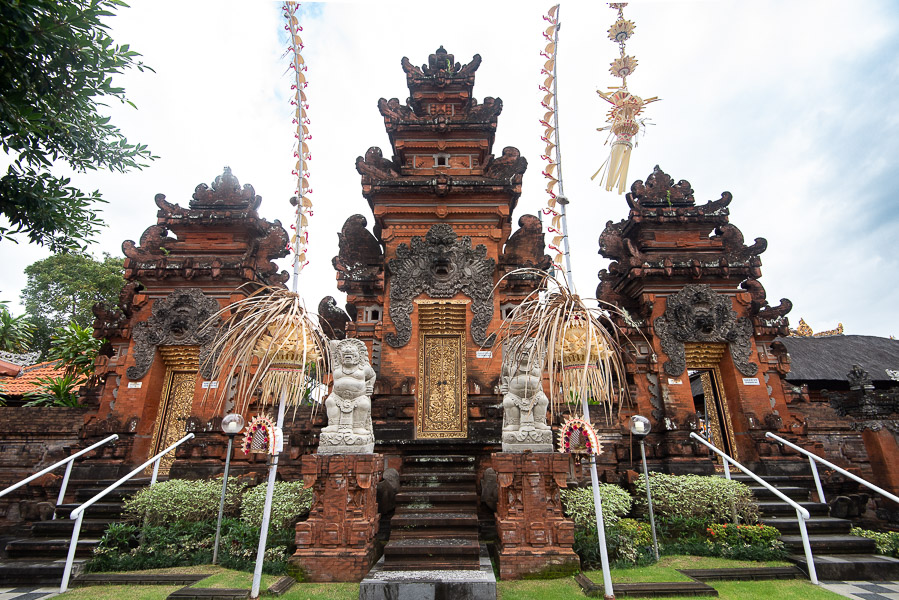
Petitenget is known today for restaurants, hotels, beach clubs and sunset. At the center of its older identity is Pura Petitenget, a historic Hindu temple near Petitenget Beach.
For visitors, the temple offers useful context: modern Seminyak developed around a place with a much older cultural and religious identity.
The Story Behind Pura Petitenget
Pura Petitenget is traditionally associated with the sacred journey of Dang Hyang Nirartha, also known as Dang Hyang Dwijendra.
According to local tradition, the story surrounding Petitenget includes a sacred chest or container and a guardian figure known as Bhuta Ijo. This account should be understood as part of Bali’s religious tradition and oral heritage, rather than presented as independently verified historical fact.
What Does Petitenget Mean?
The name is commonly explained through peti, meaning chest or container, and tenget, associated with something sacred, mysterious or spiritually powerful.
Different retellings can vary. The important point for visitors is that the name and the temple are closely connected within the area’s traditional cultural story.
A Living Temple
Pura Petitenget is an active Hindu temple, not simply a tourist attraction. Visitors should dress respectfully, follow local instructions, observe ceremonies quietly and avoid restricted areas.
If people are taking part in religious activities, ask before photographing them. A respectful visit is part of experiencing the place properly.
Pura Petitenget and the Sea
The temple is close to Petitenget Beach, creating a distinctive relationship between sacred space and the coast. For Balinese Hindu communities, coastal areas can also have religious and ceremonial significance.
That connection helps explain why a visit to Petitenget can feel different from visiting a beach destination alone.
From Temple to Lifestyle District
Walk away from the temple and the scenery changes quickly. Restaurants, cafés, boutique hotels, beach clubs and bars occupy the surrounding area.
The contrast is part of Petitenget’s character: cultural and contemporary life exist side by side.
How to Visit Pura Petitenget Respectfully
Wear appropriate clothing and use temple attire or a sarong according to local rules. Respect ceremonies and restricted areas, and ask before photographing people during religious activities.
Most importantly, remember that Pura Petitenget has meaning for the local community beyond tourism.
Staying Near Pura Petitenget
Staying in Petitenget allows travelers to experience the cultural side of the neighborhood while remaining close to its modern lifestyle. Viva Dash Hotel Seminyak is located in the Petitenget area and offers a contemporary Pop Art interpretation of the neighborhood.
The contrast between colorful modern design at the hotel and the traditional environment of the temple reflects the two sides of Petitenget itself.
Discover the Other Side of Seminyak
Pura Petitenget adds context to the Seminyak experience. Take time to understand its traditions, follow local etiquette and notice how the temple continues to exist alongside modern Bali.
Petitenget is known today for restaurants, hotels, beach clubs and sunset. At the center of its older identity is Pura Petitenget, a historic Hindu temple near Petitenget Beach.
For visitors, the temple offers useful context: modern Seminyak developed around a place with a much older cultural and religious identity.
The Story Behind Pura Petitenget
Pura Petitenget is traditionally associated with the sacred journey of Dang Hyang Nirartha, also known as Dang Hyang Dwijendra.
According to local tradition, the story surrounding Petitenget includes a sacred chest or container and a guardian figure known as Bhuta Ijo. This account should be understood as part of Bali’s religious tradition and oral heritage, rather than presented as independently verified historical fact.
What Does Petitenget Mean?
The name is commonly explained through peti, meaning chest or container, and tenget, associated with something sacred, mysterious or spiritually powerful.
Different retellings can vary. The important point for visitors is that the name and the temple are closely connected within the area’s traditional cultural story.
A Living Temple
Pura Petitenget is an active Hindu temple, not simply a tourist attraction. Visitors should dress respectfully, follow local instructions, observe ceremonies quietly and avoid restricted areas.
If people are taking part in religious activities, ask before photographing them. A respectful visit is part of experiencing the place properly.
Pura Petitenget and the Sea
The temple is close to Petitenget Beach, creating a distinctive relationship between sacred space and the coast. For Balinese Hindu communities, coastal areas can also have religious and ceremonial significance.
That connection helps explain why a visit to Petitenget can feel different from visiting a beach destination alone.
From Temple to Lifestyle District
Walk away from the temple and the scenery changes quickly. Restaurants, cafés, boutique hotels, beach clubs and bars occupy the surrounding area.
The contrast is part of Petitenget’s character: cultural and contemporary life exist side by side.
How to Visit Pura Petitenget Respectfully
Wear appropriate clothing and use temple attire or a sarong according to local rules. Respect ceremonies and restricted areas, and ask before photographing people during religious activities.
Most importantly, remember that Pura Petitenget has meaning for the local community beyond tourism.
Staying Near Pura Petitenget
Staying in Petitenget allows travelers to experience the cultural side of the neighborhood while remaining close to its modern lifestyle. Viva Dash Hotel Seminyak is located in the Petitenget area and offers a contemporary Pop Art interpretation of the neighborhood.
The contrast between colorful modern design at the hotel and the traditional environment of the temple reflects the two sides of Petitenget itself.
Discover the Other Side of Seminyak
Pura Petitenget adds context to the Seminyak experience. Take time to understand its traditions, follow local etiquette and notice how the temple continues to exist alongside modern Bali.
